
When we talk about cybersecurity at Burning Flame, we focus on robust code, penetration testing, and secure architectures. These are essential foundations, but there is a vulnerability that has become increasingly evident, and increasingly critical, to address in recent years: people.
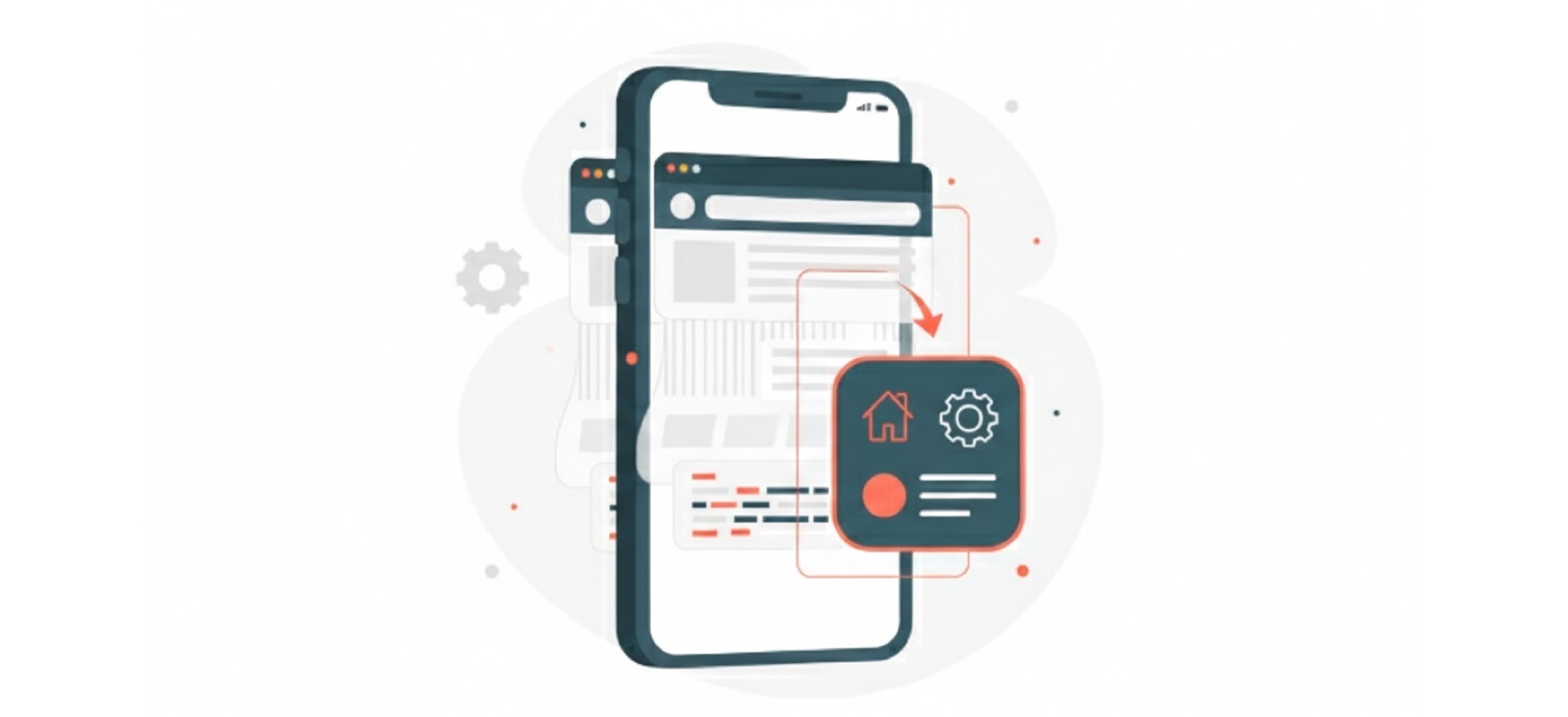
“We need an app” is one of the most frequent requests we receive. Often, however, the real question should be: “Do we need a mobile presence?” The difference is substantial. Because the best solution is not always to develop an app to publish on the App Store or Google Play. Many times, what’s really needed is a fast, accessible mobile service that is integrated into business processes.
In today’s digital landscape, a robust online presence is crucial for any business. At Burning Flame, we specialize in web platform development, helping businesses establish and enhance their digital processes.
One fundamental aspect of creating an online presence is understanding how domain names work. Let’s delve into the intricacies of domain names and the technology that makes them function seamlessly.
Web applications play a pivotal role in various aspects of our lives, from communication and finance to entertainment and healthcare. With this increased reliance on web apps comes the pressing need to ensure their security.
From protecting sensitive user data to safeguarding against cyber threats, prioritizing security in web applications is paramount.
Let’s delve into some fundamental principles and best practices for ensuring the security of web applications.
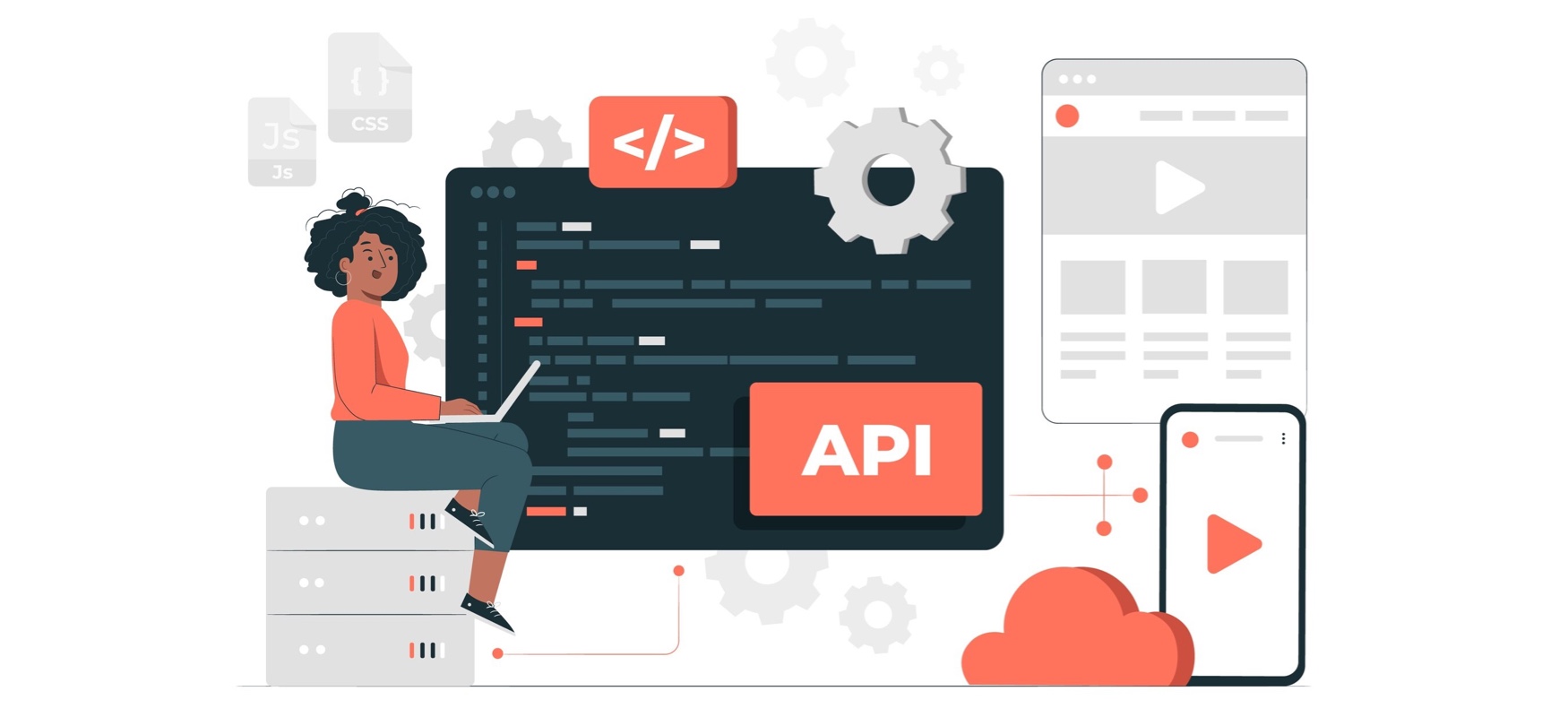
In today’s digital landscape, web applications play a central role in our daily lives, offering a wide range of services. However, behind the scenes, the magic of seamless interaction between these applications is powered by APIs (Application Programming Interfaces). Let’s explore how APIs streamline communication between web applications, revolutionizing how we navigate and utilize the online world.